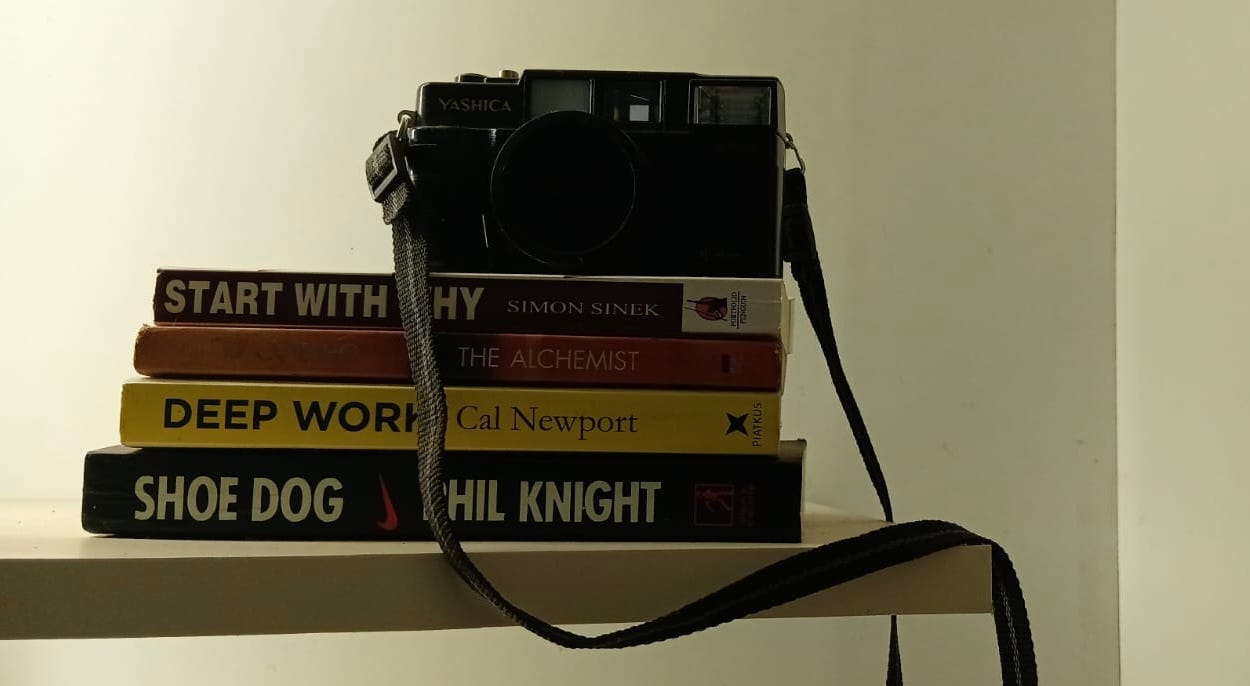
Somewhere back home, my parents still have a Yashica film camera.
They bought it years ago, long before smartphones made photography something we do almost unconsciously. It was the camera they used to photograph my childhood. Birthdays, family gatherings, holidays and probably hundreds of otherwise ordinary moments.
I sometimes wonder if my parents knew that those photographs would eventually become my way of revisiting a childhood I can no longer fully remember.
There’s something strange about childhood photographs. You look at yourself in a place you recognize, surrounded by people you know, but you don’t necessarily remember being there. Sometimes, you’ve seen a photograph so many times that you can no longer tell whether you’re remembering the moment or remembering the photograph.
Either way, you’re grateful someone thought it was worth capturing.
Years later, I find myself on the other side of the camera, trying to do something similar.
Only recently have I started questioning what that really means.
Photography is more than pressing the shutter
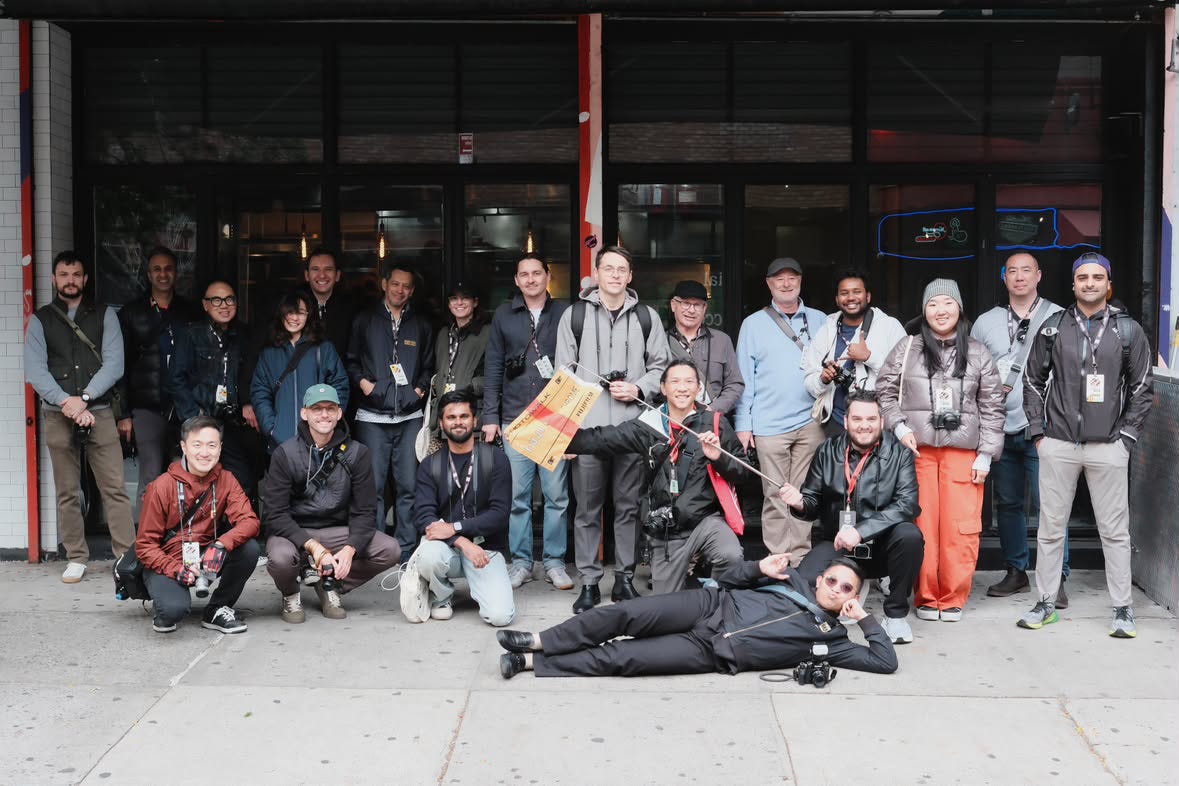
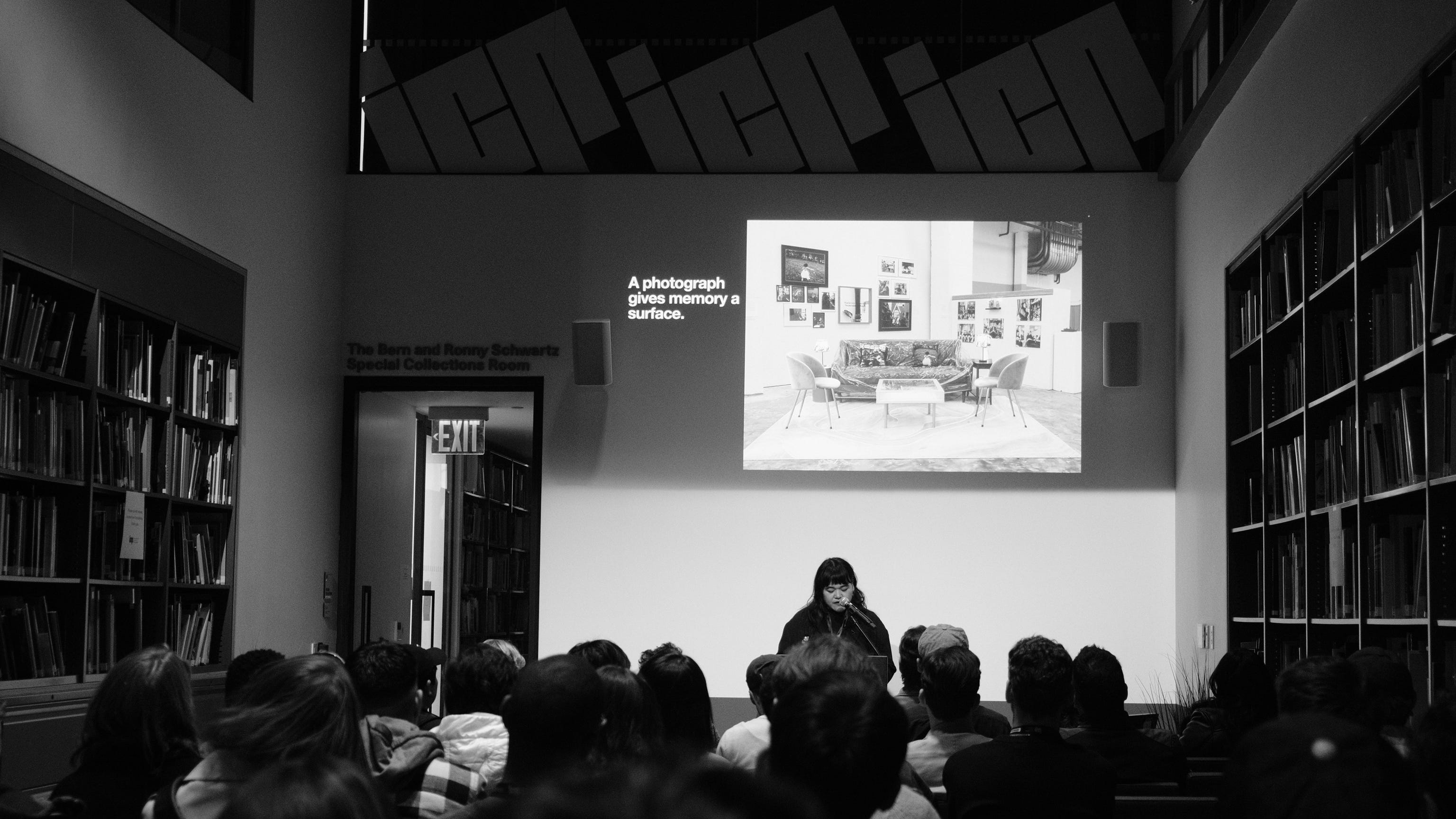
Earlier this month, I attended Fujikina NYC, Fujifilm’s photography festival, where I listened to a session titled The Human Photograph by Xyza Cruz Bacani, a documentary photographer and journalist who previously worked as a migrant domestic worker in Hong Kong.
I went in hoping to learn more about photography. Composition, creative techniques, different perspectives and perhaps a few ideas to experiment with on my Fujifilm camera.
Instead, I found myself thinking about something I hadn’t paid much attention to before.
Photography demands presence.
Not just being physically present somewhere, but actually paying attention to the people, places and stories around us. Sometimes that means walking around without taking pictures, listening to someone, having a conversation or simply putting the camera down.
The photograph should come from experiencing something, rather than experiencing something solely for the photograph. That distinction stayed with me.
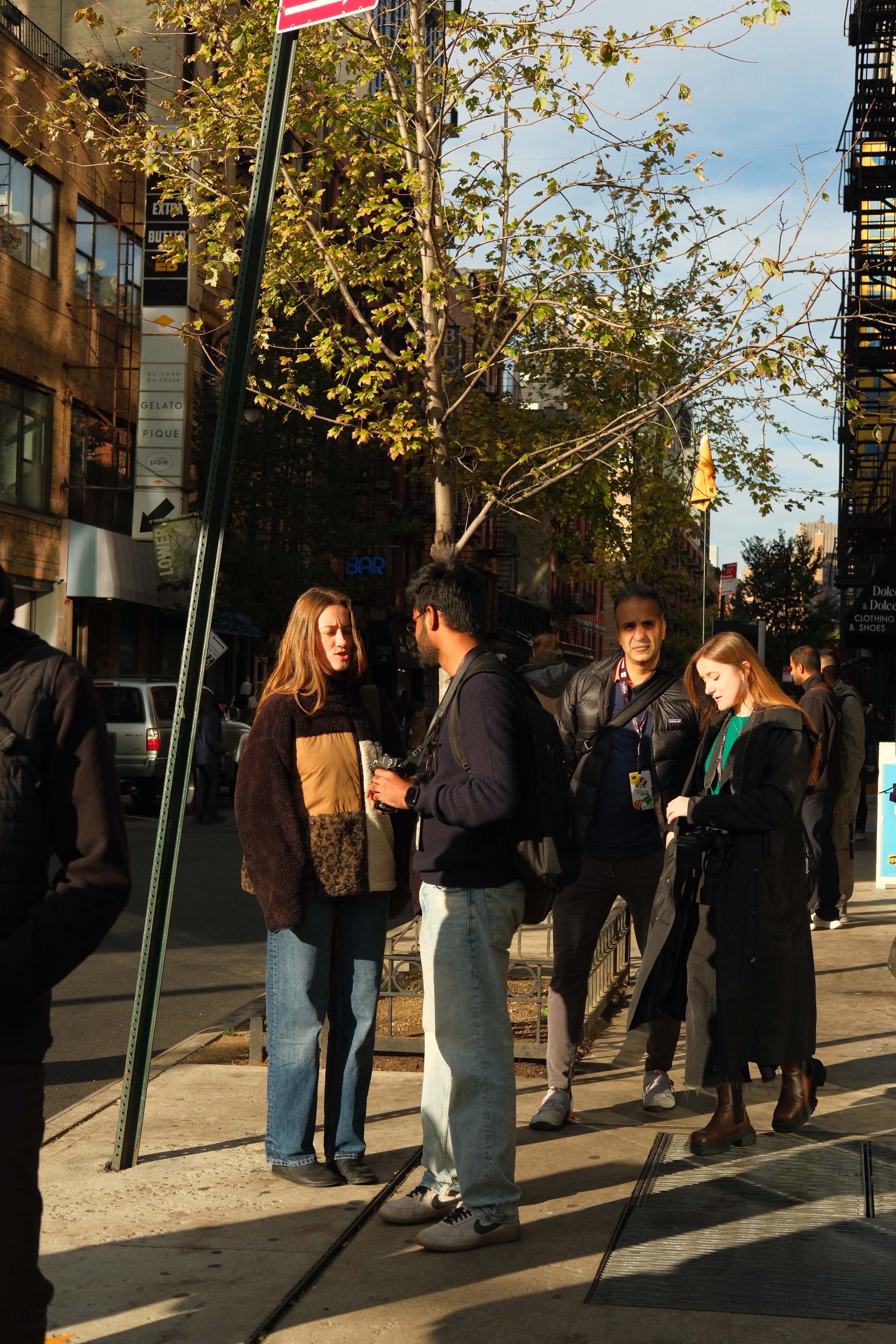
Whenever I walk around New York City with my camera, I find myself looking for interesting compositions. A person standing beneath a streetlight, an unusual building, sunlight falling perfectly between two streets or someone sitting quietly in the middle of a busy neighborhood.
I’m already thinking about the frame, the lighting and whether it would make a good photograph.
But how often am I actually paying attention to what’s happening?
Am I observing the city or am I simply looking for photographs?
It’s an uncomfortable question, especially when you’re someone who enjoys capturing everything.
Looking isn’t the same as seeing
There’s a quote by photographer Dorothea Lange that I particularly like:
“The camera is an instrument that teaches people how to see without a camera.”
I’ve been thinking about that line quite a bit.
We look at countless things every day, but how much do we actually notice?
Think about the last time you walked through a familiar neighborhood. You probably remember the buildings, the intersections and perhaps a few shops. But do you remember the people? The conversations? The little details that make that place feel alive?
Photography has certainly made me more attentive to these things. I notice light differently now. I pay attention to expressions, colors, shadows and the way people occupy spaces. But I’m beginning to realize that observation goes beyond noticing what looks interesting. It also involves questioning what we think we’re seeing.
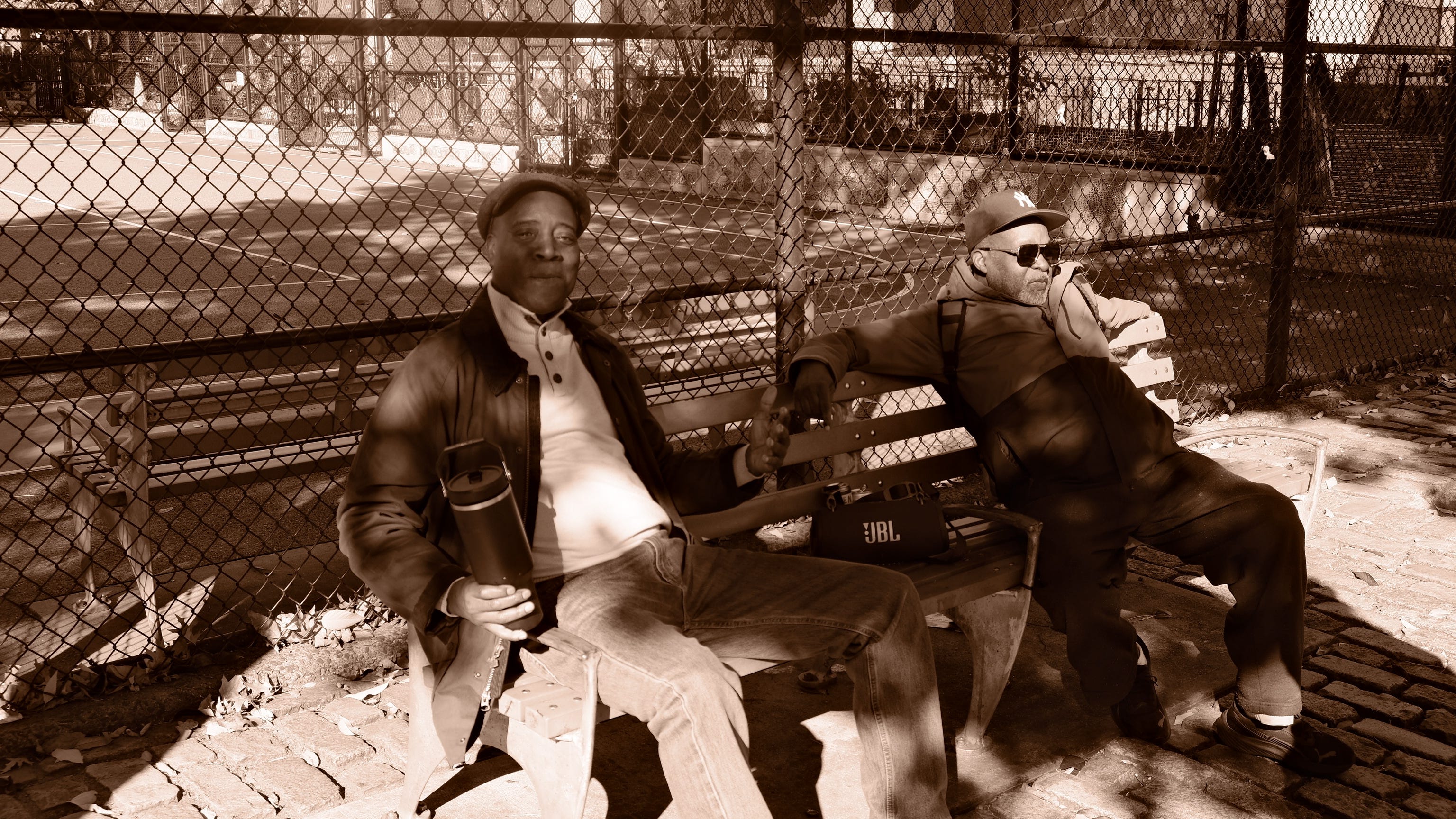
Imagine photographing someone sitting alone on a bench in New York. The photograph might communicate loneliness. But perhaps that person is enjoying the first peaceful moment they’ve had all week.
The photograph doesn’t tell us.
We bring our own assumptions to what we see and those assumptions often become the stories we attach to our photographs.
A photograph can be evidence, but evidence isn’t necessarily the whole truth.
A photograph captures a fraction of reality. The photographer decides what belongs inside the frame and perhaps more importantly, what gets left outside it.
Even a technically beautiful photograph can be misleading without context.
I’ve always thought of composition as primarily a creative decision. I’m beginning to understand that it can also be an ethical one.
What we choose to show matters. So does what we leave out.
What happens when images become effortless?
There’s another reason this conversation feels particularly relevant to me.
I work in tech as a Software Engineer and it’s difficult to ignore how rapidly artificial intelligence is changing the way images are created.
Today, we can generate remarkably convincing visuals from a few lines of text. We can recreate places we’ve never visited, people who don’t exist and moments that never happened.
I find the technology fascinating and I don’t think creativity belongs exclusively to any particular medium.
But there’s a distinction worth considering.
A generated image can represent an experience. A photographer can actually witness one.
An AI-generated image of a rainy New York street might be visually stunning. But no one stood there to feel the rain, hear the traffic, notice the people rushing past or decide that something about that particular moment deserved to be remembered.
And perhaps that’s what makes human photography meaningful.
Not merely the image, but the experience that led to it.
As the world becomes increasingly saturated with images, I suspect the stories behind them will matter even more.
Attention becomes valuable. Context becomes valuable. Trust becomes valuable.
A photographer isn’t just someone who makes images.
A photographer is a witness.
Learning when not to photograph
I’ve also been thinking about how instinctively we reach for our cameras.
A beautiful sunset? Take a picture.
A concert? Record a video.
A memorable dinner, an unfamiliar city, a beautiful view? Document it.
I do this too.
Sometimes, when I’m visiting somewhere new, I’m already thinking about the pictures I want to take before I’ve properly experienced the place.
Where should I stand? What’s the best angle? Is the lighting good enough?
And while I’m busy figuring all that out, the moment continues without me.
I don’t think there’s anything wrong with wanting to preserve beautiful experiences. After all, that’s one of the reasons I love photography.
But I’ve started wondering whether every experience needs to be documented.
Maybe some conversations deserve our undivided attention. Maybe some places deserve to be explored without constantly searching for a composition. Maybe some moments can be beautiful, disappear and still be meaningful.
That doesn’t make photography any less important to me. If anything, it makes me want to be more intentional with it. To spend a little more time observing before reaching for my camera. To understand the people and places I’m photographing rather than immediately assigning stories to them.
And to remember that being present is sometimes more valuable than getting the perfect shot.
Back to that Yashica
I keep coming back to my parents’ old camera.
When I look at those childhood photographs today, I don’t just see a younger version of myself.
I think about my parents, too.
They were younger then, figuring out their own lives, raising a family and capturing little moments that probably didn’t seem particularly extraordinary at the time.
I wonder what they saw when they looked through that Yashica’s viewfinder.
To me, those photographs are fragments of my childhood. To them, they must hold an entirely different set of memories. The conversations, the laughter, the circumstances surrounding each photograph. Things I might never know simply by looking at the images.
The same photograph, two very different experiences.
And perhaps that’s what I’ve come to appreciate most.
A photograph doesn’t carry an entire memory. It gives us somewhere to begin remembering.
Years later, I now carry my own Fujifilm camera around, photographing streets, people, places and little moments that catch my attention. I’m still learning the technicalities. Still experimenting. Still making plenty of mistakes.
But I’m beginning to think becoming a better photographer is also about becoming a better observer.
Being more curious. More patient. More aware of my assumptions. More willing to listen before deciding what a photograph should say.
I walked into Fujikina wanting to learn how to take better photographs.
I walked out thinking about how to see better.
And years from now, when I look back at the photographs I’ve taken, I hope they remind me of more than what the world looked like.
I hope they remind me what it felt like to be there.